Consciousness & Intelligence 2026
Consciousness and Intelligence 2026 is the inaugural symposium in a new interdisciplinary initiative at UT Austin exploring fundamental questions about consciousness and intelligence and the relationship between them. This year’s theme, AI and Consciousness, brings together leading thinkers across neuroscience, artificial intelligence, philosophy, physics, and related fields to examine the intersection of artificial intelligence and human awareness, and to ask what, if anything, sets human consciousness apart from artificial intelligence.
Along with five keynote speakers and a public evening panel session, the symposium will feature six concurrent sessions:
Neuroscience and Consciousness
Language, Thought, and AI
Weak vs. Strong AI
Physics, Consciousness, and AI
Neurotechnology, BCI, and Consciousness
Psychedelics and Consciousness
Schedule
Thursday
|
Time |
Segment |
|
12:00-1:00 |
Arrival / Check-in |
|
1:00-1:15 |
Welcome Remarks |
|
1:15-2:15 |
Keynote 1 |
|
2:15-2:30 |
Break |
|
2:30-4:00 |
Breakout Sessions 1 |
|
4:00-4:30 |
Coffee / Networking |
|
4:30-5:30 |
Keynote 2 |
|
8:00-9:30 |
Public Panel |
Friday
|
Time |
Segment |
|
8:30-9:15 |
Coffee / Breakfast / Arrival |
|
9:15-10:15 |
Keynote 3 |
|
10:15-10:30 |
Break |
|
10:30-12:00 |
Breakout Sessions 2 |
|
12:00-1:00 |
Lunch |
|
1:00-2:00 |
Keynote 4 |
|
2:00-2:30 |
Break |
|
2:30-4:00 |
Breakout sessions 3 |
|
4:00-4:15 |
Coffee / Networking |
|
4:15-5:15 |
Keynote 5 |
|
5:15-5:30 |
Closing Synthesis |
Keynote Speaker Bios
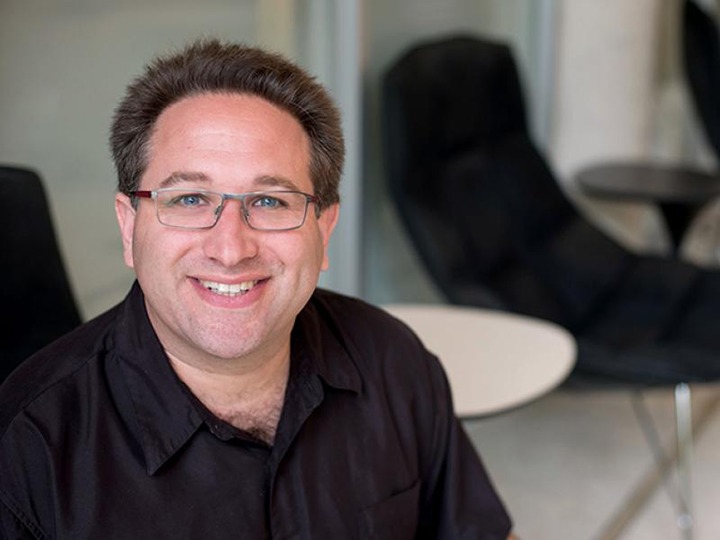
Scott Aaronson
Scott Aaronson
Professor, David Bruton, Jr. Centennial Professorship in Computer Sciences
The University of Texas at Austin
Prior to coming to UT, Aaronson taught for nine years in Electrical Engineering and Computer Science at MIT. His primary area of research is theoretical computer science, and his research interests center around the capabilities and limits of quantum computers, and computational complexity theory more generally. Learn more about Scott Aaronson.
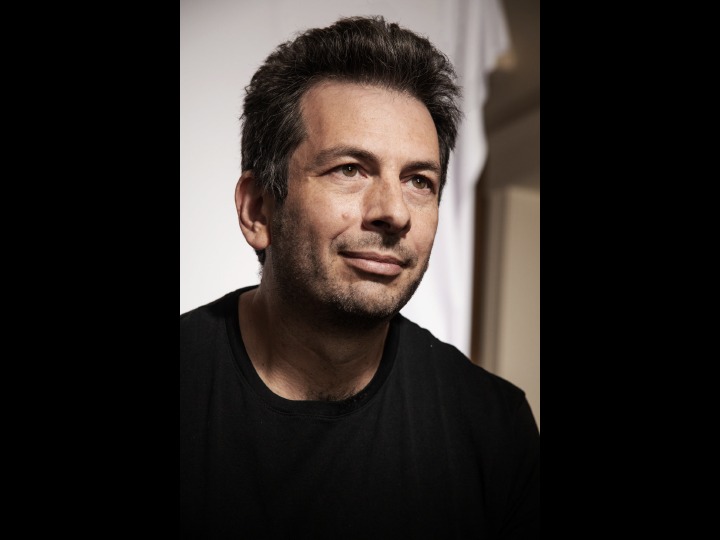
Blaise Aguera y Arcas
Blaise Agüera y Arcas
VP/Fellow, CTO of Technology & Society
Google
Blaise Agüera y Arcas is a VP and Fellow at Google, where he is the CTO of Technology & Society and founder of Paradigms of Intelligence (Pi). Pi is an organization working on fundamental research in AI and related fields, especially the foundations of neural computing, active inference, sociality, evolution, and Artificial Life. In 2008, Blaise was awarded MIT’s TR35 prize. During his tenure at Google, Blaise has innovated on-device machine learning for Android and Pixel; invented Federated Learning, an approach to decentralized model training that avoids sharing private data; and founded the Artists + Machine Intelligence program. Learn more about Blaise Agüera y Arcas.
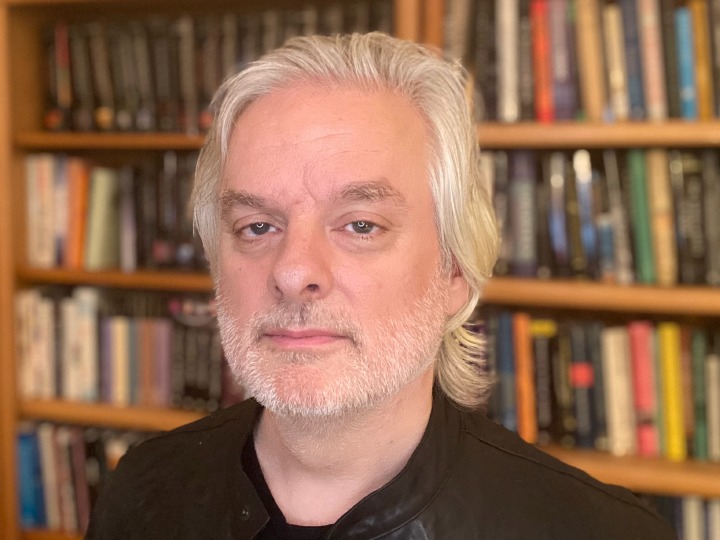
David Chalmers
David Chalmers
Professor of Philosophy and Neural Science
Co-Director of the Center for Mind, Brain, and Consciousness
New York University
David Chalmers is University Professor of Philosophy and Neural Science and co-director of the Center for Mind, Brain, and Consciousness at New York University. He is the author of The Conscious Mind (1996), Constructing The World (2010), and Reality+: Virtual Worlds and the Problems of Philosophy (2022). He is cofounder of the Association for the Scientific Study of Consciousness and the PhilPapers Foundation, and past president of both the American Philosophical Association and the Australasian Association of Philosophy. He is known for formulating the hard problem of consciousness, which inspired Tom Stoppard's play The Hard Problem; for the idea of the extended mind, which says that the tools we use can become parts of our minds; and for his work on the philosophical foundations of artificial intelligence and virtual reality.
This caption describes the image above.
Alison Gopnik
Professor of Psychology and Affiliate Professor of Philosophy
University of California at Berkeley
Member of the Berkeley AI Research Group
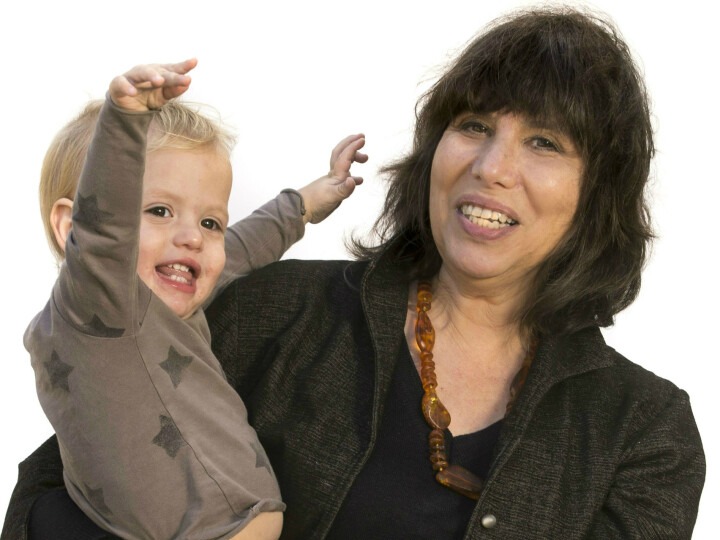
Alison Gopnik is professor of psychology and affiliate professor of philosophy at the University of California at Berkeley, and a member of the Berkeley AI Research Group. She received her BA from McGill University and her PhD. from Oxford University. She is a leader in cognitive science, particularly the study of learning and development. She was a founder of the field of “theory of mind”, an originator of the “theory theory” of cognitive development, and the first to apply Bayesian models to children’s learning. She has received the APS Lifetime Achievement Cattell and William James Awards, the SRCD Lifetime Achievement Award, the APA Distinguished Scientific Contributions Award, the Bradford Washburn and Carl Sagan Awards for Science Communication, and the Rumelhart Prize for Theoretical Foundations of Cognitive Science. She is a member of the National Academy of Sciences and the American Academy of Arts and Sciences and a Cognitive Science Society, American Association for the Advancement of Science, and Guggenheim Fellow. She was 2022-23 President of the Association for Psychological Science. She has six grandchildren.
She is the author of over 160 journal articles and several books including the bestselling and critically acclaimed popular books “The Scientist in the Crib” 1999, “The Philosophical Baby” 2009, and “The Gardener and the Carpenter” 2016. She has written widely about cognitive science and psychology for The Wall Street Journal, The New York Times, The Economist, and The Atlantic, among others. Her TED talk has been viewed more than 5.6 million times. She has frequently appeared on TV, radio and podcasts including “The Charlie Rose Show”, “The Colbert Report”, and “The Ezra Klein Show”.
Anil Seth
Anil Seth
Professor of Cognitive and Computational Neuroscience
Director of the Centre for Consciousness Science
University of Sussex
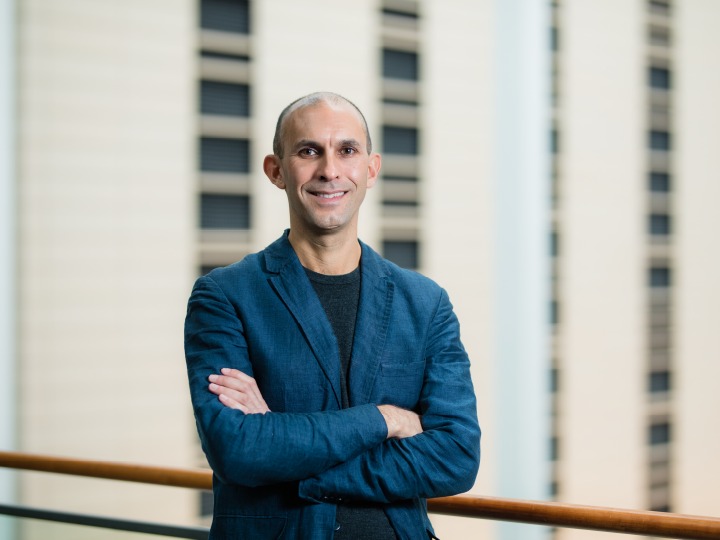
Anil Seth is a neuroscientist, author, and public speaker who has pioneered research into the brain basis of consciousness for more than twenty-five years.
He is Professor of Cognitive and Computational Neuroscience and Director of the Centre for Consciousness Science at the University of Sussex, Co-Director of the Canadian Institute for Advanced Research Program on Brain, Mind and Consciousness, a European Research Council Advanced Investigator, and former Editor-in-Chief of the academic journal Neuroscience of Consciousness. Learn more about Anil Seth.
With generous support from...
Jordan Amadio | Paul Barnhard | The Consciousness Foundation | Jeff Eastman | Tim Ferriss | Jim Hoover | Spencer Kaye | Patrick McKenna | Steve Schimmel
Contact LiberalArtsEvents@austin.utexas.edu with questions.