
Pashto Summer Institute
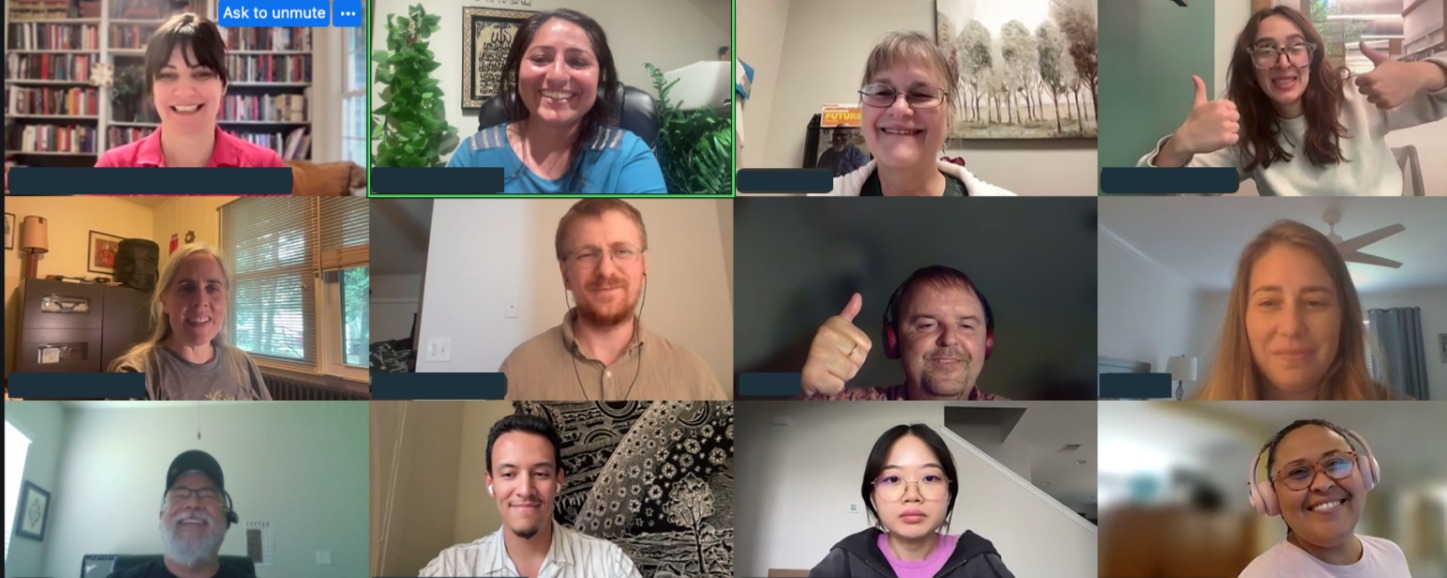
The Pashto Online Summer Institute (POSI) is a fully virtual program designed to equip its participants--primarily teachers, administrators, social workers, and volunteers who work with native Pashto speakers--with practical Pashto communication skills.
2026 Course information
- Dates:
- Section 1: June 9-July 2
- Section 2: July 7-30
- Class times: Tuesdays and Thursdays from 3:00 to 5:00pm (CT)
- Class meeting location: Zoom
- Instructor: Dr. Shehnaz Haqqani
This caption describes the image above.
Who Can Apply
Anyone! POSI is a crash course that aims to give learners basic Pashto skills for use in real-world situations. Participating students can expect to learn the fundamentals of written and spoken Pashto. No prior language experience is required.
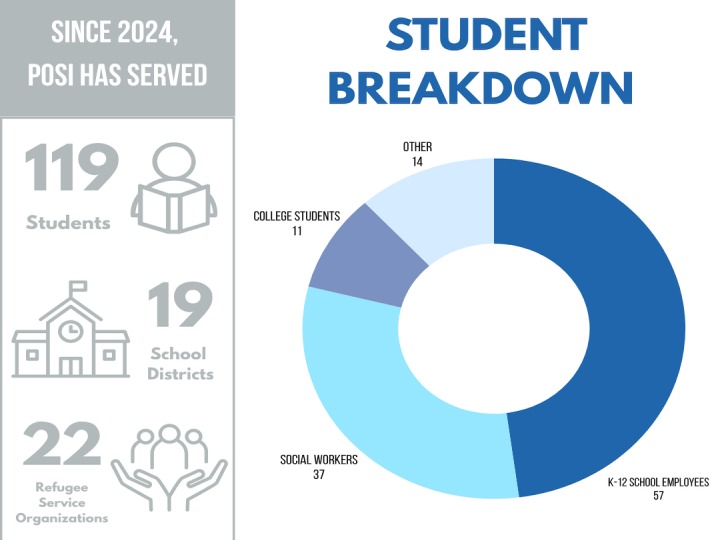
Our participants have included:
- K-12 educators
- Social workers who partner with members of the resettled Afghan population
- Undergraduate, graduate, and PhD students
"For an introduction to Pashto, I can’t recommend this course enough. Professor Haqqani went above and beyond in her willingness to support learners. The course was well planned out, and we were given ample opportunities to practice the language in pairs and small groups." - 2026 participant (high school teacher)
This caption describes the image above.
Application Details
Applications for the 2026 Pashto Summer Institute are now closed.
Cost
Tuition for the Pashto Summer Institute is $500. Educators are eligible for a discount that reduces the price to $150.
What is Pashto?
Pashto is an Iranian Indo-European language spoken by more than 40 million people worldwide, mostly in Afghanistan and Pakistan.
"After only 4 weeks of classes, my newfound Pashto skills have allowed me to connect with the Pashto-speaking families in my English literacy program. I immediately was able to greet my students’ parents, and in sharing my reading progress with the kids, we’ve been able to share the excitement of learning a new language as we slowly teach each other." - 2026 participant (English literacy educator)
Questions? Feel free to reach out to Tyus Welter, CMES’ Special Programs Associate, at tyus.welter@austin.utexas.edu
This program is made possible by co-sponsorships from the University of Arizona Center for Middle Eastern Studies, Georgetown University, and the South Asia Institute at the University of Texas at Austin